Neuralink's Human Brain Implant: A Successful Milestone Achieved
In a groundbreaking leap towards the future, scientists have achieved a monumental milestone: Neuralink has successfully been implanted in the human brain. This remarkable feat heralds a new era in neuroscience, paving the way for unparalleled advancements in human-machine interface technology.
Neuralink brain-computer interface enhancing human potential
The achievement of Neuralink's successful implantation in the human brain represents a convergence of cutting-edge science and boundless human potential. Developed by visionary entrepreneur Elon Musk and his team of pioneering researchers, Neuralink aims to revolutionise the way we interact with technology. By seamlessly integrating the human brain with computer interfaces, Neuralink holds the promise of enhancing cognitive abilities, restoring lost functionalities, and even transcending the limitations of the human mind.
Direct Brain-to-Device Communication Technology
Neuralink’s direct brain-to-device communication technology represents a revolutionary advancement in neuroscience and bioengineering. By implanting ultra-thin electrodes into the human brain, Neuralink enables real-time interaction between neural signals and external digital devices. This technology interprets electrical impulses generated by neurons and translates them into actionable commands on computers, smartphones, or robotic systems. Such a breakthrough offers immense potential for people with paralysis, neurological disorders, or sensory impairments, granting them the ability to control devices with thought alone. As Neuralink refines the speed, accuracy, and stability of its brain-computer interface (BCI), the pathway toward seamless communication between the human brain and artificial systems becomes increasingly realistic.

Human Augmentation and AI Integration Potential
Beyond medical applications, Neuralink’s technology opens the door to human augmentation and deeper integration with artificial intelligence. The long-term vision involves enhancing cognitive capabilities, improving memory, accelerating learning, and potentially enabling humans to process information at a pace comparable to advanced AI systems. With AI integration, Neuralink aims to create a symbiotic relationship where humans can upgrade their natural abilities, interact with AI tools more intuitively, and mitigate the risks of being technologically outpaced. Although this concept is still in its developmental stage, the potential impact on human evolution, workforce productivity, and personal communication could be transformative. Neuralink’s pursuit of AI-driven augmentation continues to spark both excitement and ethical debate worldwide.
Interdisciplinary Innovation Behind Neuralink’s Success
Moreover, the successful implantation of Neuralink in the human brain represents a triumph of collaboration and interdisciplinary innovation. Scientists, engineers, neurologists, and medical professionals have joined forces to overcome formidable technical challenges and ethical considerations. Through relentless dedication and unwavering commitment, they have turned the once-fanciful vision of Neuralink into a tangible reality, with profound implications for humanity's future.
Read More:
Multi-Field Expertise Driving The Breakthrough
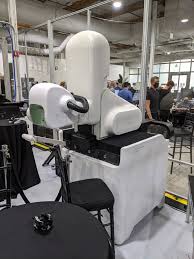
Neuralink’s rapid progress is the result of interdisciplinary collaboration across several advanced scientific and engineering domains. Experts in neuroscience, robotics, biomedical engineering, artificial intelligence, materials science, and software development work together to refine the brain-computer interface. Neuroscientists map neural pathways and signal patterns, while engineers design ultra-flexible electrode threads capable of safely integrating with delicate brain tissue. Robotic surgeons ensure precise implantation, minimising human error during the procedure. Meanwhile, AI specialists develop algorithms to decode neural signals with increasing accuracy. This fusion of multi-field expertise has created a powerful innovation ecosystem, enabling Neuralink to achieve breakthroughs far beyond what any single discipline could accomplish on its own.
Neuralink’s rapid progress is the result of interdisciplinary collaboration across several advanced scientific and engineering domains. Experts in neuroscience, robotics, biomedical engineering, artificial intelligence, materials science, and software development work together to refine the brain-computer interface. Neuroscientists map neural pathways and signal patterns, while engineers design ultra-flexible electrode threads capable of safely integrating with delicate brain tissue. Robotic surgeons ensure precise implantation, minimising human error during the procedure. Meanwhile, AI specialists develop algorithms to decode neural signals with increasing accuracy. This fusion of multi-field expertise has created a powerful innovation ecosystem, enabling Neuralink to achieve breakthroughs far beyond what any single discipline could accomplish on its own.
Overcoming Technical and Ethical Challenges
Despite its remarkable progress, Neuralink faces significant technical and ethical challenges on its path toward widespread adoption. Technically, achieving long-term implant durability, reducing infection risk, and ensuring seamless signal interpretation remain ongoing hurdles. Maintaining high bandwidth communication between the brain and devices without causing tissue damage is another critical concern. On the ethical front, issues related to privacy, human autonomy, data security, and potential misuse of neurotechnology spark intense global debate.
Data Privacy, Safety, and Human Autonomy
Questions arise about who controls the data generated from brain activity and how such powerful technology should be regulated. Neuralink must navigate these challenges responsibly, balancing innovation with robust safety standards, transparent communication, and strict ethical governance to earn public trust.
Neuralink for Treating Neurological Disorders
Parkinson’s, Epilepsy, and Paralysis Treatment
Neuralink holds immense promise in treating complex neurological disorders such as Parkinson’s disease, epilepsy, and various forms of paralysis. By implanting high-precision electrodes into targeted brain regions, Neuralink can monitor abnormal neural activity and stimulate specific circuits to restore lost functions. For Parkinson’s patients, controlled neural stimulation may reduce tremors and improve motor coordination. In epilepsy, early detection of irregular electrical patterns could prevent seizures before they occur. For individuals with paralysis, the technology enables direct communication between the brain and external devices, allowing them to control prosthetic limbs, wheelchairs, or digital tools through pure thought. These early medical applications set the foundation for a new era of neurotherapeutic innovation.
Thought-Controlled Devices and Telepathic Communication
One of Neuralink’s most futuristic possibilities involves enabling individuals to operate devices solely through thought—essentially transforming neural signals into digital commands. This could extend to controlling smartphones, computers, cars, or even robots without physical movement. As decoding algorithms become more refined, the concept of “telepathic communication” may emerge, allowing people to share complex thoughts or emotions directly through neural interfaces. Such breakthroughs could revolutionise communication for individuals with speech impairments while introducing a completely new digital language for the future.
Read More:
Ethical and philosophical concerns of brain implants
Beyond its immediate applications in healthcare and human augmentation, Neuralink holds profound implications for the future of humanity as a whole. As we continue to push the boundaries of technological innovation, questions surrounding the ethical, social, and philosophical implications of Neuralink must be carefully considered. From concerns about privacy and autonomy to debates about the nature of consciousness and identity, the advent of Neuralink raises profound questions that demand thoughtful reflection and dialogue.
Privacy and Security in Brain–Machine Interfaces
Brain implants introduce new risks related to privacy, cybersecurity, and personal autonomy. Since Neuralink records brain signals, any breach or misuse of this data would have profound consequences, potentially revealing thoughts, emotions, or behavioural tendencies. Ensuring encrypted, tamper-proof systems is essential to protect users from unauthorised access or manipulation. Ethical concerns also arise around consent, data ownership, and the possibility of governments or corporations misusing neurodata. Establishing strict global guidelines will be critical to ensure that brain-computer interfaces serve humanity without compromising fundamental rights.
Accessibility and Inequality Concerns
As with many emerging technologies, access to Neuralink may widen the gap between different socioeconomic groups. High costs during early adoption phases could limit availability to wealthy individuals or elite institutions, leading to a new form of cognitive inequality. If neural implants enhance intelligence, memory, or productivity, society must address how to maintain fairness and equal opportunity. Policies, subsidies, and ethical frameworks will be needed to prevent the creation of a “neuro-privileged class.”
Read More:
Neuralink and the future of education and workforce
Looking beyond medicine, Neuralink could revolutionise education and work. With instant access to knowledge and the potential to accelerate learning, students may be able to absorb new languages, technical skills, and advanced concepts at unprecedented speed. In workplaces, employees could use Neuralink to boost memory, multitask with precision, and collaborate with AI systems in real time. Such integration could dramatically reshape the global economy.
Enhancing Learning Speed and Cognitive Abilities
Neuralink has the potential to radically transform education by accelerating how quickly humans can learn and retain information. By improving neural efficiency and memory recall, brain implants may allow students to grasp complex concepts in significantly less time. Future applications could include direct downloading of information, personalised neural tutoring systems, or enhanced concentration and problem-solving abilities. Such advancements would reshape educational models, demanding new methods for teaching, assessment, and skill development.
AI-Assisted Productivity and Workplace Transformation
In the workforce, Neuralink could create new levels of productivity by enabling seamless collaboration between human cognition and artificial intelligence. Employees may use brain implants to execute tasks faster, multitask more effectively, or access real-time information without external devices. AI-augmented decision-making could elevate performance across industries—from medicine and engineering to creative arts and management. However, this shift will also require reskilling, ethical governance, and updated labour frameworks to balance technological efficiency with human well-being.
Read More:
Potential risks and technological challenges ahead
Despite the remarkable success, Neuralink faces significant hurdles. Surgical implantation involves complex neurosurgical procedures, which pose risks of infection, rejection, or brain injury. Long-term safety and durability of the implants remain under scrutiny. Additionally, the brain is highly complex and individualised, meaning that universal solutions may not always be feasible. Addressing these risks will be crucial for widespread adoption.
Surgical and Biological Safety Issues
Every brain surgery carries inherent risks, including infection, inflammation, bleeding, and potential damage to neural tissues. Neuralink’s robotic implantation system aims to reduce these risks, but absolute safety cannot be guaranteed. Additionally, long-term biological reactions—such as immune responses or tissue degradation—must be continually monitored. Ensuring that implants remain safe and effective over decades remains one of the greatest medical challenges.
Long-Term Durability and Brain Compatibility
Brain tissue naturally moves and evolves over time, which can impact the stability and durability of implanted electrodes. Materials must be biocompatible, flexible, and resistant to corrosion while maintaining strong signal quality. Neural implants that degrade or malfunction could cause health complications or require repeated surgeries. Achieving long-term compatibility is essential for Neuralink to transition from experimental technology to mainstream medical use.
Read More:
Neuralink vs Other Brain-Computer Interface Projects
Neuralink is not the only company exploring brain-machine interfaces. Academic institutions and startups worldwide are racing to develop similar technologies. However, Neuralink stands out due to its ambitious scope, advanced electrode design, and Musk’s vision of merging human intelligence with AI to avoid potential existential risks. This competitive ecosystem ensures rapid innovation, but Neuralink’s first successful human brain implant gives it a decisive lead in the field.
Key Differences in Vision and Technology
While many organisations develop brain-computer interfaces, Neuralink stands out due to its long-term vision, high-bandwidth communication goals, and robotic precision implantation system. Traditional BCI projects often rely on rigid electrodes or slower signal processing methods, whereas Neuralink uses ultra-thin polymer threads designed to reduce tissue damage and increase data throughput. Moreover, Neuralink combines neuroscience with robotics and AI more cohesively than many competitors, giving it a unique technological advantage.
Competitive Edge in the BCI Ecosystem
Neuralink’s competitive edge comes from its superior hardware design, ambitious roadmap, and advanced machine-learning algorithms for decoding brain signals. Its fully integrated system—implant, robotic surgeon, and software—creates an ecosystem optimised for long-term scalability. Additionally, Neuralink’s global attention and financial backing accelerate research, talent acquisition, and clinical trials. These advantages enable Neuralink to push the boundaries of what brain-computer interfaces can achieve.
Conclusion: Neuralink Is Redefining Human Capability
Neuralink represents a turning point in human evolution, offering a glimpse into a future where biological limitations may be overcome through technology. By enabling direct communication between the brain and machines, Neuralink could redefine how humans learn, communicate, heal, and interact with the world. Its breakthroughs promise new hope for individuals with disabilities while paving the way for enhanced intelligence, AI symbiosis, and unprecedented technological advancement. As research continues, Neuralink stands as a symbol of humanity’s bold pursuit to merge biology with innovation—reshaping the possibilities of the future.


Social Plugin